

Peak Season Is Predictable. Delays Don't Have to Be.
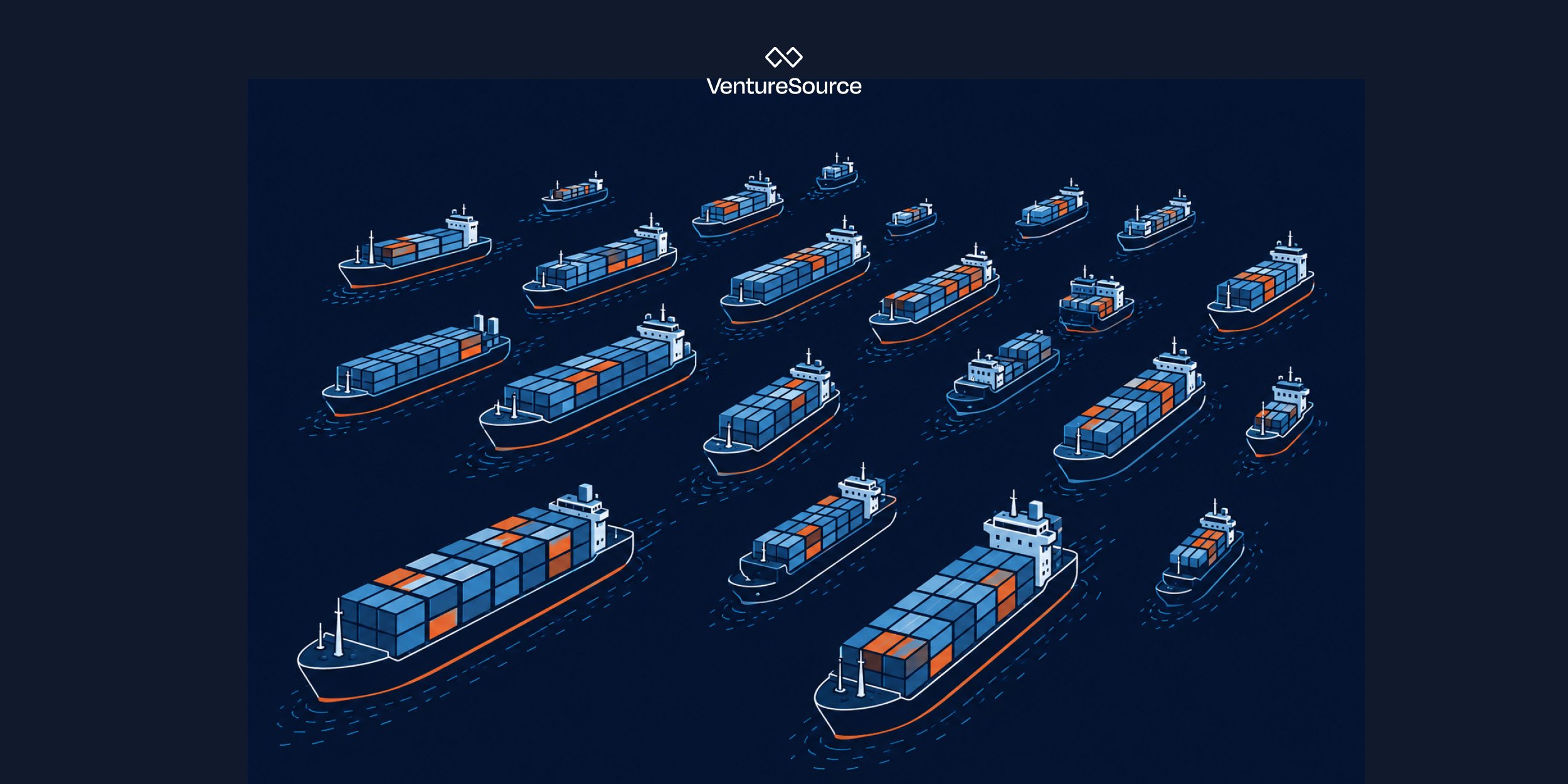
If your international shipments seem to take longer every summer, you're not imagining it.
Ocean shipping peak season runs from June through August, when demand increases, capacity tightens, and planning ahead becomes essential. It's a normal part of the shipping cycle—but one many companies underestimate.
Why Lead Times Get Longer
Peak season is a simple case of supply and demand.
As companies ramp up shipments for the holidays, more cargo is competing for the same amount of vessel space. Ships fill up earlier, bookings become harder to secure, and schedules become less flexible. A shipment that moves without issue in February may require much more advance planning in July or August simply because demand is higher.
For that reason, we typically recommend building about two additional weeks into normal lead times during peak season. That extra time provides flexibility when bookings or sailing schedules change.
This Year Is Different
Peak season is predictable. This year's market isn't.
In addition to the normal seasonal rush, geopolitical tensions are affecting several major trade lanes. Some vessels are avoiding traditional routes through the Red Sea and Suez Canal, taking the longer route around the Cape of Good Hope instead. Those longer voyages tie up ships and containers, reducing available capacity across the global shipping network.
For importers, that means the normal peak-season slowdown may be more noticeable than in previous years.
How to Prepare
The best strategy is to plan ahead.
During peak season, we recommend:
Building about two additional weeks into normal lead times.
Booking shipments as early as possible.
Allowing additional time for shipments moving through regions affected by geopolitical disruptions.
Staying in close communication with your logistics partner as market conditions change.
A little extra planning today can prevent much bigger problems later.
The Bottom Line
Peak season isn't a disruption—it's a predictable part of international shipping.
The companies that navigate peak season most successfully aren't the ones that react the fastest. They're the ones that plan ahead. By understanding what changes during the busiest shipping months and building extra time into their schedules, importers can reduce surprises, keep freight moving, and avoid unnecessary delays.
Learn how VentureSource helps importers improve visibility, plan ahead, and navigate changing market conditions: VentureSource Lead Logistics