

Challenges Strengthen Customer-Supplier Relationships
The past several years have tested nearly every supply chain.
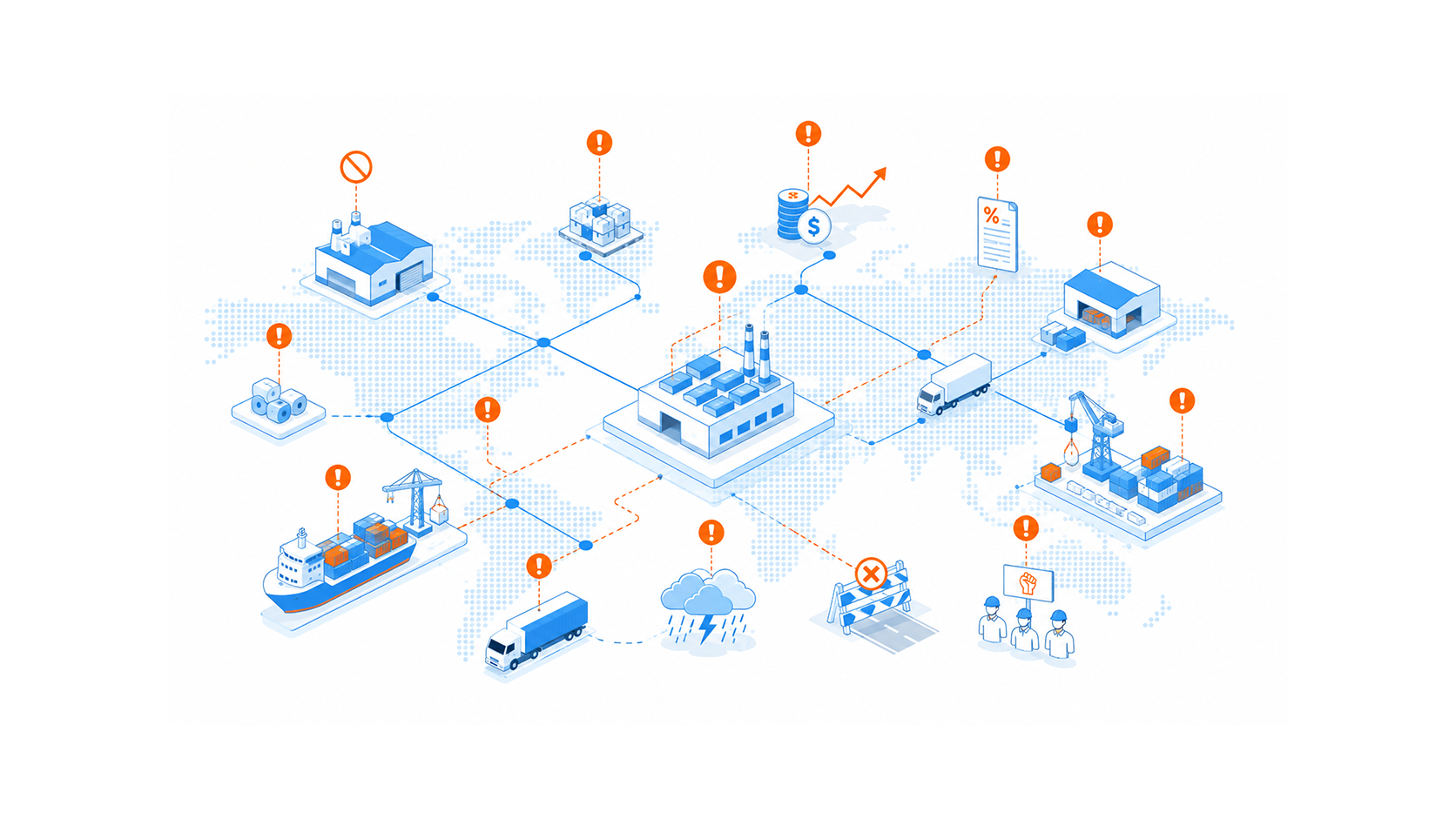
Manufacturers have faced COVID shutdowns, material shortages, capacity constraints, logistics disruptions, inflation, tariffs, labor strikes, and severe weather. While every disruption was different, they all reinforced the same lesson:
Strong supplier-customer relationships are one of the most valuable assets a company can build.
In many cases, these challenges didn't weaken relationships. They made them stronger.
Relationships Are Built Before They're Needed
Strong partnerships are not created during a crisis. They are built over years through consistent actions.
That includes:
Keeping commitments
Paying on time
Following through on promises
Communicating openly
Treating partners with respect
Spending time together and building personal connections
Delivering consistent business performance
The strongest relationships combine the hard side of business—performance and reliability—with the soft side of business—trust and personal connection.
Both matter. Neither works as well without the other.
Great Partnerships Go Beyond Friendship
Good relationships are about more than simply getting along.
The strongest partnerships are built on understanding each other's business goals.
Is your customer focused on growth or profitability? Are they investing for the future or managing cash carefully? Are they prioritizing the lowest cost, greater resilience, or supply security?
When suppliers understand these priorities, they can make better decisions alongside their customers instead of simply responding to requests.
This kind of strategic alignment creates trust that extends beyond individual projects. It helps both companies solve problems with the same objective in mind.
Relationships Matter Most When Resources Are Limited
During normal times, every customer expects good service.
But when production is limited or demand exceeds supply, suppliers must decide where their limited capacity goes first.
During the COVID lockdowns in Shanghai, many manufacturers faced exactly this situation. Production slowed, capacity became limited, and suppliers had to prioritize which customers would receive parts.
Companies that had invested in long-term relationships were often in a better position. Years of trust led to better communication, stronger collaboration, and, in many cases, priority during shortages.
The lesson is simple: relationships become most valuable when resources become scarce.
Relationships Create Speed
Strong relationships do more than create goodwill. They reduce the time it takes to solve problems.
When disruption occurs, trusted partners can often reach the right people faster, receive honest updates sooner, and make decisions more quickly.
Sometimes the biggest advantage is simply having someone answer the phone.
That speed can have a significant business impact. Faster communication leads to faster decisions. Faster decisions lead to faster recovery.
In today's supply chains, that can be just as valuable as additional inventory or production capacity.
Relationships Improve Resilience—They Don't Replace It
Relationships are an important part of a resilient supply chain, but they are only one part.
Even the strongest partnership cannot create production capacity that doesn't exist or replace inventory that isn't available.
Companies still need practical resilience strategies, including multiple suppliers, backup production capacity, inventory, redundant tooling, and thoughtful sourcing strategies.
Relationships improve the odds of success. Preparation makes success possible.
The strongest companies invest in both.
Invest Before the Next Disruption
No one knows where the next disruption will come from.
It may be another pandemic, a tariff change, a labor strike, a weather event, or something entirely unexpected.
What companies can control is how prepared they are.
Organizations that consistently invest in trust, communication, business performance, and strategic alignment are better positioned when challenges arise.
Technology, data, and planning all matter. But when supply chains come under pressure, people still make the decisions.
And strong relationships often determine how quickly those decisions become solutions.